
Inspirations


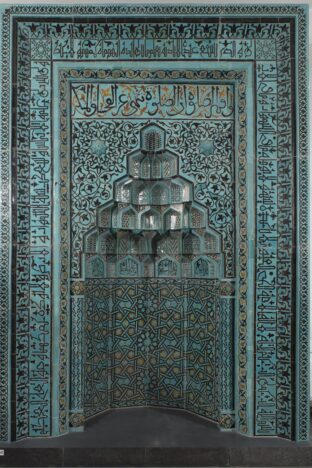
The Beyhekim Mosque Mihrab
The Beyhekim Mosque Mihrab, a stunning example of Seljuk-era ceramic craftsmanship, has tragically shared the same fate as many of our other precious artifacts-smuggled abroad. This exquisite mihrab, a late masterpiece of Seljuk ceramic art, was taken from Konya to Germany, where it now resides in the Pergamon Museum in Berlin, specifically in the Islamic Art section’s Konya Hall.
Turkey boasts an incredibly rich heritage of historical and cultural artifacts. From the era of the Ottomans, Seljuks, and various Anatolian beyliks, countless treasures have found their way into foreign museums and private collections. Many of these artifacts were exported as goods, gifts from the Ottoman Palace, or materials left from battlefields. Additionally, some were illicitly removed through smuggling and looting, ending up in international museums and auction houses.
The Beyhekim Mosque mihrab, which was dismantled and transported to Germany, is a particularly poignant example of this loss. Commissioned by Hekim Ekmelüddin, the chief physician of the Seljuk Palace and a respected figure by Rumi and his family, the mosque once stood as a significant place of worship. Named after its founder, Beyhekim, who served Rumi until the latter’s death, the mosque and its adjacent tomb featured a domed prayer hall and three adjoining sections. Sadly, the mosque and its inscriptions have not survived to this day, leaving only the mihrab as a testament to its former glory.

The Three Graces Mosaic: Stolen Treasure of the Queen of the East
Antakya, historically known as “Queen of the East,” was renowned for its opulence, cultural diversity, and strategic location as a major city in the Roman Empire. The city was a center of wealth and culture, and its importance in the ancient world earned it this regal epithet.
The Three Graces Mosaic, dating back to the 2nd century AD, is a quintessential example of the artistic and cultural treasures that once adorned Antakya. This mosaic depicts the legendary beauty contest judged by Paris, featuring the goddesses Hera, Athena, and Aphrodite. It was originally displayed in the dining room of a wealthy Roman villa in Antakya.
Unfortunately, this invaluable piece of art was stolen and has since been housed in the Louvre Museum in Paris. Its theft underscores the significant loss of Antakya’s cultural treasures and highlights the ongoing challenges in preserving and recovering such important artifacts.


Çintemani
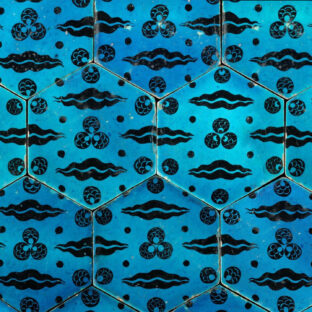
The Çintemani motif, regarded as a symbol of power, abundance and protection during the magnificent era of the Ottoman Empire, was traditionally featured on the ceremonial robes of sultans.
Rooted in historical symbolism, the design is inspired by two key elements: the two wavy lines, believed to represent the striking pattern of the tiger’s fur, and the three dots, associated with the tracks of the leopard, renowned for its speed and agility.